Major milestone for heart failure trial
More than 500 patients have joined a world-first trial led by Southampton researchers.
The BRITISH study aims to improve treatment for people with heart failure and reduce deaths from sudden cardiac arrests.
It is being led by consultant cardiologists Dr Andrew Flett and Professor Nick Curzen at University Hospital Southampton.
Over 500 patients have now been recruited, marking a major milestone for the study.
Identifying who needs a defibrillator
Over 900,000 people in the UK are living with heart failure, with around 200,000 new cases diagnosed each year. Treating these patients is estimated to cost the NHS around £2bn per year.
Non-ischemic cardiomyopathy (NICM) is a common type of heart failure. It can lead to abnormal heart rhythms and sudden cardiac arrests, which can sometimes be fatal.
Many patients with NICM are offered an implantable cardioverter defibrillator (ICD). This is a small device, fitted under the skin of their chest, that shocks their heart if it goes into cardiac arrest.
In some patients with an ICD, the device is never triggered, and may be unnecessary. These patients live with avoidable anxiety and an unnecessary risk of complications.
The BRITISH study is therefore investigating how best to identify patients most likely to benefit.
The trial is being co-ordinated by the Southampton Clinical Trials Unit, who are running the study at hospitals across the UK. It is funded by £1.8m from the British Heart Foundation. Dr Andrew Flett is the trial's Chief Investigator.
“While it is clear that in some cases these ICD devices may save lives, for those who don’t need them it means an unnecessary surgical procedure and living with the worry that the device may go off at any time,” he said.
“Previous studies have suggested that scar tissue in the heart muscle may actually be the cause of dangerous heart rhythms for patients with NICM, so our study is looking at whether the presence of scar tissue on an MRI scan can predict who should be fitted with an ICD and who can live perfectly safely without one.”
Ashley’s experience
The first patients entered the BRITISH trial in Spring 2023. Since then, over 500 people with NICM have volunteered to be part of this research.
Participants are randomly allocated to one of two groups. Half are fitted with an implantable defibrillator. The others are fitted with an implantable loop recorder - a device which does not shock the heart, but monitors heart activity so that the team can review any abnormal rhythms.
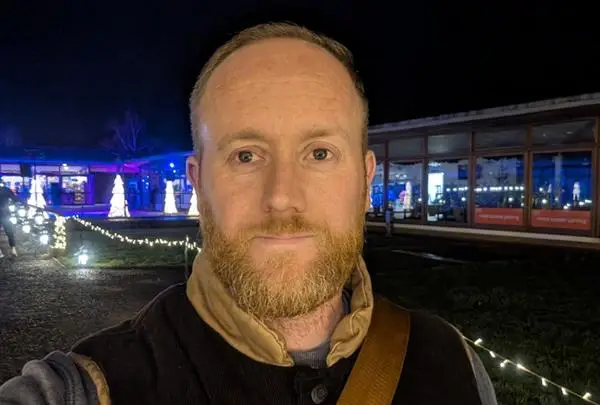
36-year-old Ashley Williams from Eastleigh is one of the first 500 patients. He first began experiencing blood pressure problems when he was just 17, and was diagnosed with heart failure in his mid-20s.
“When you’re 17, or even at my age now, you don’t feel like it’s something a person your age should be going through. I was getting a lot of headaches, dizzy spells, tiredness - it was all quite scary really. I was very emotional, it’s horrible when you don’t really know what’s going on with your body.”
After years of medication, dad-of-one Ashley was told he would need to have a pacemaker fitted. This is a device to regulate his heart rhythms. He was also offered the chance to take part in the trial.
“As soon as I was told that there was a research study going on, I thought ‘I need to do this, it’s important’, because I didn’t realise that people my age could get this. And so many people do not go to the doctors, as they feel like they’re invincible I guess, especially young men.”
“It’s been really easy to be involved in the trial. I thought it may mean going to loads of extra appointments, but the device is connected to my phone via Bluetooth so most appointments can be done remotely. “
Ashley says the best part is being able to play with his son again.
“There was a period when it got really bad, and I was in hospital and bed bound and then coming home and explaining to a 5-year-old that I couldn’t play with him. It was difficult for him because he wanted to jump on me and play, and I used to hate saying sorry I can’t do it.
“But I called it my ‘Iron Man heart’ and I bought him a fake tattoo scar because he wanted to be the same as me and show people his ‘new heart’ too. And now it’s back to playing and having our adventures together. It’s changed everything.”
Making a difference
Ashley says he is proud to be taking part in the trial.
“I think it’s amazing. I feel happy with myself for doing it because it’s going to make a difference for a lot of people. Your heart is one of the most important organs in your body so having this research in place to make sure that we can make people better, I think is really important.”
In total, 1,252 patients are due to be recruited to the BRITISH study over the next two years.
Dr Flett said: “We are so grateful to the 500 patients who have so far agreed to take part in this important trial. Without people like Ashley, we would not be about to conduct research, with the ultimate goal to improve treatment for our patients.
“The BRITISH trial will inform UK and international guidelines for the treatment of heart failure. Depending on the outcome of the study, it could identify a group of patients who we know will benefit from ICDs, ensuring cost effective use of our health service in the future.”