The truth about health and care research
When people hear the word ‘research’, they often imagine laboratories or complicated scientific language.
As a result, many people assume that research is something done by academics and professionals, rather than something that involves everyday communities.
The reality is very different, explains Caroline Tiza, Senior Engagement and Inclusion Manager at University Hospital Southampton (UHS).
As a core partner on the Raising Voices in Research (RViR) programme, one of my main roles is to deliver sessions on demystifying health and care research.
These sessions are designed to raise awareness of research, challenge common misconceptions and help people see that research is for everyone.
The sessions are informal, plain language conversations where we unpack what health research actually is, how communities can shape, take part in, or even conduct research themselves. We use real-world examples to show why inclusive research really matters.
What is research?
During my sessions, I often start by asking people whether they have ever compared schools before choosing one, looked at online reviews before making a purchase or asked friends for recommendations.
Unsurprisingly, the answer is almost always ‘yes’.
We all laugh when we realise that we actually carry out research all the time. The discussion helps people realise that research is not something reserved for experts. Curiosity, questioning and informed decision-making are things we all do every day.
Improving health and care
Health and care research is about understanding real-world problems and finding better solutions, and communities have an essential role to play in shaping that process.
Taking part in research helps improve services, treatments and outcomes for everyone.
Research needs people from all backgrounds and experiences to ensure findings are relevant, fair and beneficial for the communities they are intended to serve.
You do not need special qualifications, knowledge, experience or even a health condition to take part in research. This is a common misconception. Many studies involve healthy volunteers, carers, family members, community groups and members of the public whose perspectives are just as valuable as those with direct experience of a health condition.
Some of the most important insights come from lived experience and everyday knowledge, helping researchers understand the realities of people's lives in ways that data alone cannot.
Getting involved
You may also think that research is risky, time-consuming or only open to a select few. In reality, there are many different ways to get involved.
Taking part could mean completing a survey, joining a discussion group, sharing your experiences in an interview, testing a new approach, or helping to shape the design of a project.
Many opportunities are designed to be flexible and accessible, allowing people to contribute in ways that suit their circumstances.
Research is guided by strict ethical standards designed to protect participants. Every study must demonstrate that it will ‘do no harm’, minimise risks, respect people's rights and dignity, and ensure informed consent.
Independent ethics committees review research before it begins to make sure it is safe, fair and conducted responsibly. Participants are given clear information about what is involved and can decide whether taking part is right for them.
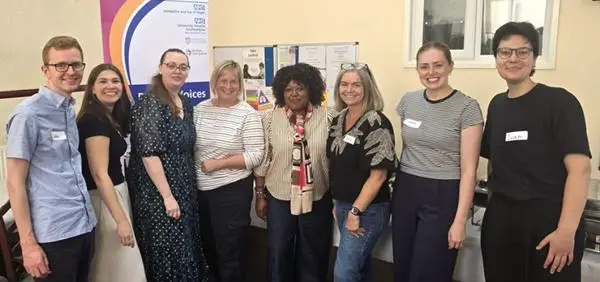
Research is for everyone
Community involvement is essential because it makes research more relevant, inclusive and impactful.
When certain communities are under-represented, services, policies and innovations may not fully meet people's needs. By hearing from people with different backgrounds, experiences and perspectives, research can better reflect the realities of the communities it aims to serve and increase trust and confidence in the findings.
Taking part in research can also be empowering. It gives you the opportunity to influence change, raise awareness of issues that matter to you and contribute to improvements that may benefit others in the future.
Many people find it rewarding to know that their experiences have helped shape better services, treatments, policies or community initiatives.
A Research Collaborative
Research belongs to all of us. The more we open the door to community participation, the more likely we are to create research that is meaningful, equitable and capable of improving lives.
Initiatives such as Raising Voices in Research help ensure that research reflects the diversity, knowledge and experiences of the communities it serves, creating better outcomes for everyone.
Raising Voices’ Research Collaborative is a space where voluntary organisations, community members and researchers can come together to discuss best practice for engaging underserved communities in research. If you would like to join, please complete this short sign-up form.
If you would like to learn more about health research and take part in Southampton, please click here.